24-icon

24/7 Emergency Contact

How Can Homeowners Evaluate Siding Materials (Vinyl, Fiber-Cement, Engineered Wood) for Durability and Energy Efficiency in Minnesota’s Climate?

How Can Homeowners Evaluate Siding Materials (Vinyl, Fiber-Cement, Engineered Wood) for Durability and Energy Efficiency in Minnesota’s Climate?

Choosing the right siding material is essential for protecting a Minnesota home from extreme weather conditions. With severe freeze–thaw cycles, heavy snow loads, moisture swings, and rapid temperature changes, siding must offer long-term durability, structural stability, and dependable energy performance. Understanding how vinyl, fiber-cement, and engineered wood respond to these climate variables helps homeowners invest […]

The Role of Ventilation in Roof Health

Imagine stepping into your home on a chilly winter evening or a sweltering summer day and feeling the right level of comfort—neither too cold nor too hot. This ideal scenario isn't just about your heating or cooling system working overtime; it's also about something often overlooked: roof ventilation. Proper roof ventilation is crucial for maintaining not just the temperature inside your home but also the health of your roof itself. Without adequate ventilation, your attic can become a breeding ground for moisture buildup and excessive heat, leading to problems like mold, rot, and ice dams that can compromise your roof’s integrity. In this article, the Intelligent Design Corp team explores how a well-ventilated roof functions, the common issues with poor ventilation, and practical tips to ensure your roofing system remains sound and efficient. Why is Proper Roof Ventilation Crucial? Adequate ventilation helps to reduce heat accumulation in the attic. If not properly vented, this heat can cause the shingles to deteriorate prematurely, leading to higher energy costs as air conditioning systems work harder to cool the home. Proper ventilation in the winter helps to minimize the formation of ice dams. These occur when heat escapes from the home's warm interior, melts the snow on the roof, and refreezes at the eaves, potentially leading to water damage. Ventilation is also crucial for preventing moisture accumulation that can lead to mold growth and wood rot. By allowing a continuous flow of air, moisture is expelled, safeguarding the roof’s materials and the overall structure of the attic. This extends the roof's life, ensuring a healthier living environment and improving indoor air quality. How to Assess Your Roof’s Ventilation Needs Assessing your roof's ventilation needs is crucial to ensuring its longevity and functionality. There are several key steps to identify and prevent problems, and here's how! Do an Inspection Inspect the attic space for inadequate ventilation, such as moisture condensation, mold growth, or an unusual heat build-up. These signs indicate the airflow is insufficient to keep the attic dry and cool. Additionally, check for blocked or covered vents that hinder proper air circulation. It's essential to ensure that both intake and exhaust vents are clear of obstructions to facilitate effective air exchange. How Much Ventilation Do You Need? Calculate the ventilation area needed for your roof. This can typically be done by following the general guideline of having at least one square foot of vent area for every 150 square feet of attic space. However, this ratio can vary depending on the climate and the specific design of your house. It is highly recommended that you consult with a roofing professional who can perform a detailed assessment and provide tailored advice based on your roof’s characteristics and local building codes. How Many Vents are Required? Consider the type and number of vents installed. An ideal balanced system of intake and exhaust vents should be installed. Intake vents should be placed at the roof’s lowest point to draw in cool air, while exhaust vents should be located near the ridge or peak to expel warm, moist air. This setup promotes a continuous flow of air, helping to regulate temperature and humidity levels efficiently. What are the Consequences of Poor Roof Ventilation? Poor roof ventilation can lead to several significant issues that compromise your home's structural integrity and efficiency. The most common ones to be aware of are: Overheating One of the most immediate effects of inadequate ventilation is overheating attic space during the summer. This excessive heat can damage the roof shingles, causing them to warp or deteriorate prematurely. Over time, this can lead to frequent and costly repairs or even a full roof replacement earlier than expected. Moisture Issues In addition to heat damage, poor ventilation can create a perfect environment for moisture buildup. This moisture can lead to the growth of mold and mildew, which not only affects the attic's structural components but can also pose health risks to the inhabitants by degrading indoor air quality. Furthermore, during colder months, inadequate ventilation can contribute to the formation of ice dams on the roof's edge. These dams can cause water to back up and leak into the home, potentially damaging walls, ceilings, and insulation. Decreased Energy Efficiency Poor roof ventilation increases energy consumption. When heat is trapped in the attic, air conditioning systems have to work harder to cool the home, leading to higher energy bills. Proper ventilation helps maintain an energy-efficient home by reducing the cooling load during warmer months. How Can Improved Ventilation Extend the Life of Your Roof? Effective ventilation ensures a balance between air intake and exhaust, which helps maintain an optimal temperature and moisture level in the attic. This balance is key to preventing the common issues that can lead to premature roof degradation. Proper ventilation regulates attic temperatures, preventing roofing materials from overheating in the summer and reducing the risk of ice dam formation in the winter. Overheated shingles can deteriorate quickly, and ice dams can cause water to back up under shingles, leading to leaks and structural damage. Efficient ventilation helps avoid these extremes, preserving the integrity of the roof materials. Moreover, ventilation helps reduce moisture accumulation in the attic, which can cause wooden structures to rot and metal components to corrode. It also prevents the buildup of harmful mold and mildew, which weakens structural materials and reduces the overall air quality inside your home. What Types of Roof Vents Are Available? Several types of roof vents are available, each designed to suit different architectural styles and functional needs. The main categories include: Ridge Vents Ridge vents are installed along the roof's peak, providing continuous airflow along the ridge line. Soffit Vents Soffit vents are placed in the eaves to allow fresh air into the attic. Gable Vents Gable vents are located at the end walls of the attic and are used primarily in homes with gable roofs. Ventilators Powered attic ventilators, or attic fans, use electric power to actively push hot air out of the attic. These are especially useful in regions with high temperatures. Enhancing Roof Health Through Effective Ventilation Through proper ventilation techniques, homeowners can prevent the common issues of heat buildup and moisture accumulation and the subsequent damage they can cause. Regular assessments and the right choice of vents tailored to your home's needs can significantly contribute to a durable and reliable roofing system. Intelligent Design Corp is your local roofing specialist. Whether you need a new installation, upgraded ventilation, siding, or window services, we have you covered! To schedule an appointment, give us a call or reach out online today.

Imagine stepping into your home on a chilly winter evening or a sweltering summer day and feeling the right level of comfort—neither too cold nor too hot. This ideal scenario isn’t just about your heating or cooling system working overtime; it’s also about something often overlooked: roof ventilation. Proper roof ventilation is crucial for maintaining […]

What Maintenance Practices Can Homeowners Follow Post-Installation (Roof, Siding, Windows) to Maximize Lifespan and Performance?

Long-term performance of a home’s exterior — roofing, siding, and windows — depends not just on quality installation, but also on ongoing maintenance tailored to Minnesota’s climate. With its harsh winters, heavy precipitation, and moisture fluctuations, Minnesota demands proactive care to protect major exterior systems from early wear, damage, and inefficiency. Performing regular inspections, cleaning smartly, maintaining attic airflow, and knowing when to call in professionals can extend the lifespan of your investment and preserve long-term comfort and value. At Intelligent Design Corp., based in Maple Grove, MN, we frequently handle exterior replacement work and know what happens when maintenance is neglected. Below is a maintenance roadmap designed specifically for Minnesota homeowners — focused on roofs, siding, and windows. What Seasonal Maintenance Checklist Should Homeowners Follow for Their Roof, Siding, and Windows in Minnesota? Spring: After ice-dam season, check for roof-edge damage, missing shingles, clogged gutters, and flashing issues. On siding and windows, inspect seals/drip edges, remove winter debris from exterior surfaces, and ensure ground clearances are maintained around siding skirts. Summer: Rinse siding and window exteriors to remove pollen and grit from spring. Inspect caulking around window frames, doors, and chimneys. On the roof, check attic hatch seals and ventilation intake registers to ensure airflow is unobstructed. Fall: Clean gutters and remove leaf build-up, check for window seal-fail or condensation between panes, and evaluate siding for faded or cracked surfaces. On the roof, verify downspouts channel water away from siding bottoms and foundation walls. Winter:** Monitor attic vents for ice build-up, ensure snow load is managed off critical roof sections, and inspect siding transitions for ice infiltration or moisture seepage near windows, doors, and utility penetrations. How Do You Inspect for Early Signs of Wear, Damage, or Moisture Intrusion? Start at ground level with siding and windows. Look for cracking or peeling paint or finish, tiny holes or splits in siding seams, separating caulking around windows, warped trim, or bubbling siding surfaces. Moisture intrusion often begins where panels meet the foundation or at the roof-to-wall intersections. Move to the attic and roof deck: inspect for daylight through roof sheathing, curling or missing shingles, nail-pop in decking, sagged rafters, or dark stains on framing (indicative of moisture). On windows, check for interior condensation, fogging between panes, or distortion in frames. Even minor signs should be addressed early — a cracked siding panel near a foundation corner, a failed window seal, or one loose shingle can escalate quickly in Minnesota’s freeze–thaw cycle. Catching issues early often avoids costlier repairs later. What Cleaning Products or Procedures Are Safe for Different Siding and Window Materials? For vinyl or aluminum siding, use a soft brush, hose rinse, and mild detergent (non-bleach) once per year to remove grime. Avoid pressure-washing at high psi, as it can force water behind panels or damage seals. On engineered wood or fiber-cement siding, rinse the surface and inspect for finish wear — apply touch-up paint or sealant every 10–15 years. Windows with vinyl or fiberglass frames benefit from cleaning with a mild, non-abrasive window cleaner and a soft microfiber cloth. Avoid ammonia-based solutions on low-E glass coatings. Inspect sliding tracks and hinges, clear debris, and lightly lubricate moving parts annually. Avoid harsh solvents, metal-bristle brushes, or high-temperature spray nozzles that can damage siding finishes or compromise window seals. For homes in aggressive weather zones (salt-laden roads, hail-prone), rinse exterior surfaces more frequently. How Does Proper Attic Ventilation and Insulation Affect the Longevity of Exterior Systems? Proper attic ventilation and insulation are critical in Minnesota for preventing ice dams, reducing moisture build-up, and stabilizing attic temperatures. When attic air becomes warm in winter, it melts snow on the roof, which then refreezes at edges, forming ice dams that damage shingles and flashing and funnel moisture behind siding. Insulation that meets current R-value standards minimizes heat transfer into the attic, maintaining a cooler roof deck and reducing stress on roofing materials. Balanced soffit intake and ridge/outlet vents facilitate airflow that removes moisture and heat, helping siding joints and window seals maintain their integrity. Homes with inadequate ventilation or insulation often face accelerated wear of exterior systems — roof sheathing dries and contracts, siding panels expand and contract excessively, and window frames shift, which can lead to seal failure. Maintaining the attic envelope is a proactive way to extend the lifespan of cladding and fenestration systems. When Should a Homeowner Consider Scheduling a Professional Inspection or Service Call Rather Than DIY Maintenance? If a homeowner notices peeling caulk around multiple windows, bubbling siding panels, nagging ice-dam formation, sagging roof decking, or fogged insulated window units (indicating seal failure), it’s time to bring in a professional. These indicators often suggest deeper issues that require specialized equipment, structural knowledge, or certified workmanship. Annual inspections are especially prudent after hailstorms, wind events, or significant temperature fluctuations in Minnesota. A professional team can comprehensively assess roof flashing, siding attachments, window weep-holes, and ventilation systems. Catching issues early often reduces future downtime and repair costs. For warranty-sten projects, scheduling a certified inspection within the manufacturer’s recommended period helps ensure coverage remains valid. Proactive professional service — rather than a reactive fix — protects your investment and extends the life of your exterior systems. Exterior System Lifespan Starts With Intelligent Design Maintenance If you’ve recently invested in a new roof, siding, or windows — or are planning one — take advantage of maintenance services from Intelligent Design Corp! Our team offers inspection services, warranty check-ups, and preventive programs tailored to Minnesota homes. Contact us online or call us at 763-315-0745 for more information.

Long-term performance of a home’s exterior — roofing, siding, and windows — depends not just on quality installation, but also on ongoing maintenance tailored to Minnesota’s climate. With its harsh winters, heavy precipitation, and moisture fluctuations, Minnesota demands proactive care to protect major exterior systems from early wear, damage, and inefficiency. Performing regular inspections, cleaning smartly, […]

The Impact of Weather on Roofing Materials

Imagine your roof during a harsh Minnesota winter. The weight of snow accumulating, followed by melting and refreezing cycles, can cause significant strain on roofing materials. Throughout the seasons, materials like metal, shingles, and tiles face an onslaught of weather conditions, from scorching sun to freezing snow, each with its challenges. The Intelligent Design Corp team knows how weather can wreak havoc on your roof. Our comprehensive guide explores how weather conditions impact the integrity and lifespan of different materials, shedding light on why some materials may fare better than others in certain climates. How Different Weather Conditions Affect Roofing Materials Weather conditions significantly impact the performance and longevity of roofing materials. Sun exposure can cause materials like asphalt shingles to degrade over time, leading to brittleness and cracking. High temperatures can also melt the tar that holds shingles together, weakening the roof's structural integrity. In colder climates, materials face challenges like ice dam formation and freeze-thaw cycles that can expand cracks and compromise the roof. Rain and humidity are other crucial factors. Continuous exposure to water can lead to the growth of moss and algae, which retain moisture against the roof surface and potentially cause rot in wood-based materials like shakes and shingles. Metal roofs, while generally more resistant to moisture, can suffer from corrosion and rust if not properly treated or if the protective coatings are compromised. The impact of heavy rains can exacerbate any existing vulnerabilities in the roofing system, leading to leaks and water damage. High winds can lift shingles or tiles, exposing the underlayment and creating opportunities for water ingress. Sudden, severe storms can cause immediate and visible damage, while prolonged exposure to less intense winds may slowly degrade the roof's anchoring system. Making it crucial for roofing materials to be correctly installed with adequate wind resistance to withstand such conditions. What Materials Are Best for High Wind Areas? Metal roofing is highly recommended due to its robustness and ability to withstand wind speeds that typically damage other materials. The panels are often interlocked or mechanically fastened to provide additional resistance against uplift forces caused by high winds. Another excellent option for high-wind areas is modified asphalt shingles, engineered to offer enhanced flexibility and adhesion, which help them resist the lifting effects of strong winds. They are often secured with high-quality adhesives and reinforced with a heavier base mat, making them less likely to be torn off than standard shingles. Concrete and clay tiles are also effective in high wind conditions because they are inherently heavy, helping them stay put even during severe windstorms. Proper installation is crucial; tiles need to be nailed down and fitted with wind clips or additional adhesives to maximize their wind resistance. This ensures that the tiles provide a long-lasting roofing solution even in areas prone to frequent and intense winds. How Does Snow Impact Roof Integrity? Snow, particularly in heavy accumulations, poses significant challenges to roof integrity. The weight can stress a roof's structural support, potentially leading to sagging or collapse if not properly managed. This is especially true in areas with frequent, heavy snowfall, where the snow's weight accumulates faster than it can melt or be removed. Ice dam formation along the eaves of a roof is another concern. When heat escapes from a warm attic, it melts the snow on the roof, which refreezes at the colder eaves, creating a dam. This ice dam prevents proper drainage, allowing water to back up and potentially seep under shingles and into the home, causing water damage and rot. The freeze-thaw cycles associated with snowy conditions can exacerbate existing minor damages in roofing materials. As snow melts and refreezes, it can expand cracks in tiles or shingles, increasing vulnerability and the need for more frequent repairs and maintenance to ensure the roof's longevity and effectiveness. What Roofing Materials Are Best for Hot Climates? Metal roofing is an excellent choice for such environments as it reflects solar radiant heat rather than absorbing it, which can help keep buildings cooler and reduce air conditioning costs. Metal roofs are durable and resistant to decay, which can be exacerbated by high temperatures. Cool roofing tiles are another optimal choice. Made from various materials such as clay, slate, or even plastic and concrete, they are treated with a reflective coating that helps maintain lower roof temperatures reflecting more sunlight and absorbing less heat than standard roofing materials. Slate is a viable option for hot climates due to its natural ability to withstand high temperatures and low heat absorption properties. Though heavier and more expensive, slate roofing provides a long-lasting, durable solution that can help keep interiors cool during extreme heat. How to Protect Your Roof from Seasonal Weather Changes Protecting your roof from seasonal weather changes involves proactive maintenance and choosing the right materials. Get Inspections Regular inspections are crucial; they help identify and address potential issues, such as cracked shingles or damaged flashing before they worsen. Take Care of Your Gutters Ensure that gutters and downspouts are clean and debris-free to prevent water buildup and ice damming during colder months. Invest in a Sealant Applying a waterproof sealant can also enhance your roof's durability against weather conditions. This is particularly effective in preventing leaks during heavy rain and snow. Consider Underlayment For added protection, consider installing weatherproof underlayment beneath the roofing material, which provides an extra layer of defense against moisture penetration. Choose the Right Materials Finally, selecting materials suited to your local climate can significantly improve your roof's resilience. For instance, in areas prone to heavy snowfall, heavier materials like slate may be beneficial, while in hot climates, lighter, reflective materials can prevent excessive heat absorption. By taking these steps, you can extend the lifespan of your roof and maintain its integrity through the changing seasons. Intelligent Design Corp and Roofing Resilience Understanding the interplay between weather and roofing materials is essential for protecting your home through the seasons. Intelligent Design Corp. provides specialized services and materials tailored for diverse climates, ensuring your roof maintains its integrity and efficiency. From selecting the right materials to conducting thorough inspections, we provide the expertise needed for your roofing needs in any weather condition, and we are happy to help you with your next project! Give our office a call or reach out online today for your free quote.

Imagine your roof during a harsh Minnesota winter. The weight of snow accumulating, followed by melting and refreezing cycles, can cause significant strain on roofing materials.  Throughout the seasons, materials like metal, shingles, and tiles face an onslaught of weather conditions, from scorching sun to freezing snow, each with its challenges.  The Intelligent Design Corp […]

Choosing the Right Roofing Service for Commercial Properties

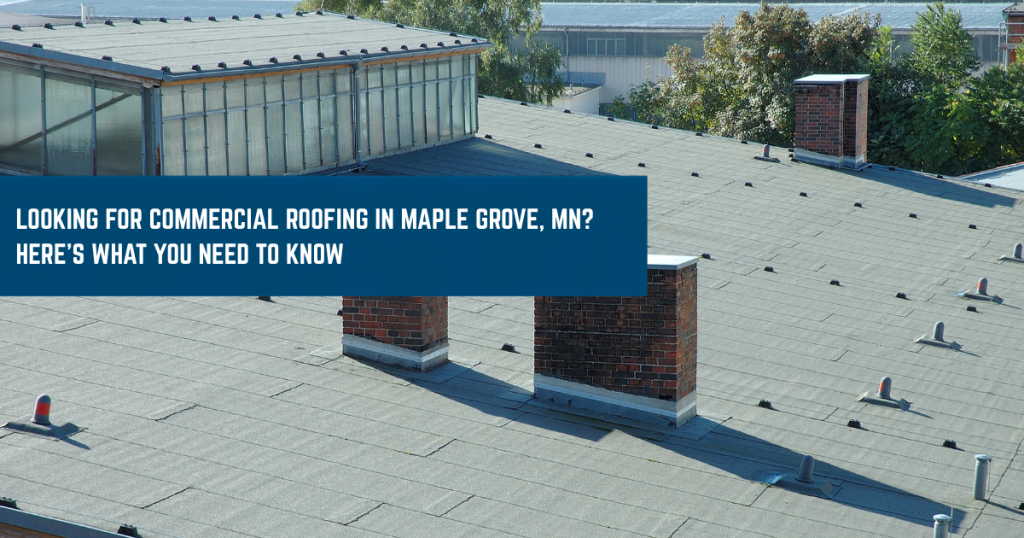
Unlike residential buildings, commercial facilities generally have flat or low-slope roofs, which require different materials and maintenance. Because of this, commercial properties often face unique challenges that influence their roofing needs. Getting the right services means knowing your roofing system, so the Intelligent Design Corp team is here with a comprehensive guide on commercial roofing systems, […]

How Do Roofing Contractors Assist with Insurance Claims for Storm Damage?

How Do Roofing Contractors Assist with Insurance Claims for Storm Damage?

Storm damage to a roof can be overwhelming, especially when navigating insurance claims. High winds, hail, or fallen debris can cause immediate structural issues, but the complexity often starts after the storm passes—when homeowners must deal with their insurance providers to assess, document, and repair the damage. Many policyholders aren’t fully prepared to handle the technical […]

How to Handle Roofing Emergencies

How to Handle Roofing Emergencies

Whether it’s a leak that appears during a downpour or damage from a fallen tree branch, experiencing a roofing emergency can be as sudden as stressful. Homeowners might face the immediate inconvenience of water infiltration and the potential for long-term structural damage. Understanding the common roofing emergencies and the steps to mitigate them can significantly reduce the […]

How Do Roofing Contractors Manage Waste and Debris During a Project?

How Do Roofing Contractors Manage Waste and Debris During a Project?

Roofing projects generate significant waste, including old shingles, nails, underlayment, wood, and packaging materials. Left unmanaged, debris can create safety hazards, damage landscaping, and slow down progress. Homeowners and commercial property managers often want to know exactly how roofing contractors manage debris and maintain job site cleanliness without affecting the surrounding property. This is more […]

What is the Typical Process and Timeline for a Roofing Project?

What is the Typical Process and Timeline for a Roofing Project?

Replacing or installing a new roof is one of the most significant investments a property owner can make. Whether you’re managing a residential upgrade or overseeing a commercial project, understanding the full scope of a roofing project is key to budgeting, scheduling, and minimizing disruption. Many home and business owners start this process without a clear […]

Cost Considerations for Roof Replacement

Cost Considerations for Roof Replacement

Deciding to replace a roof is a significant investment for any homeowner. It’s often catalyzed by various factors, from emergency weather damage to planned aesthetic upgrades. Understanding the costs involved is crucial for budgeting and ensuring that you get the best value for your money. Our comprehensive guide will explore various cost considerations involved in roof […]